Design mockup Cold Spring Nurse Practice is invented. Every name, telephone number, address, price and hour below is a placeholder.

Cold SpringNurse Practice, Excelsior Springs

(816) 555-0148
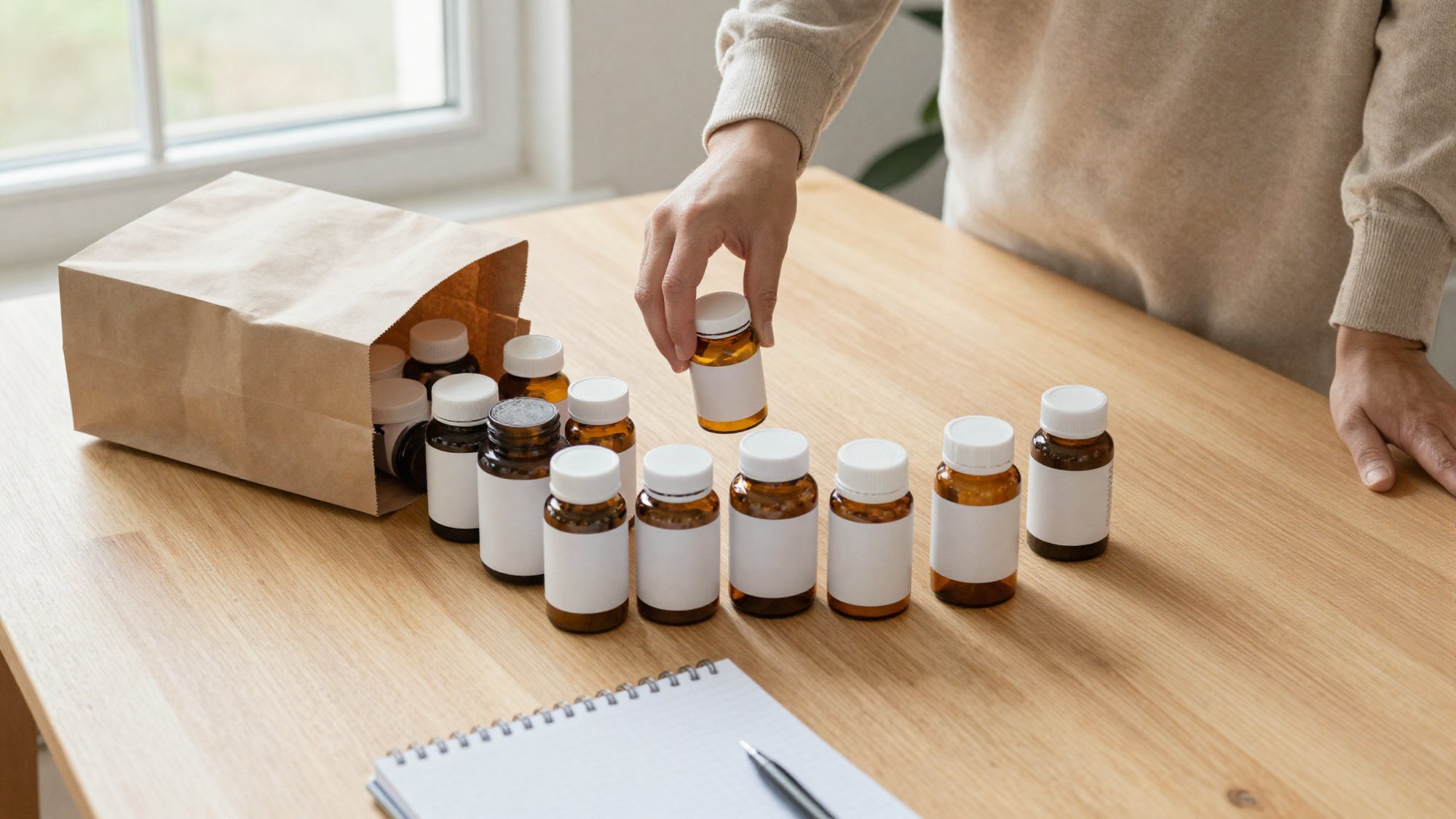
A brown paper grocery bag tipped on its side on a light oak table by a window, a dozen amber medicine bottles with blank labels lined up in front of it, a spiral notebook and pencil at the near edge, and a hand in an oatmeal sleeve lifting one bottle out of the row.

Everything you take, on one table, for one hour.

Most people arrive with a list, and the list is usually wrong. Not because anyone lied on it. It was written down at a hospital in March, or copied off an older list, or it says one tablet a day when the bottle in the cabinet says two. So the first thing this practice asks is that you bring the bag instead. Not the list. The bag: the prescriptions, the two things from the pharmacy counter, the tub a brother-in-law swears by, the foil packet with no carton, the inhaler you are not sure still works.

That is an hour, and it is most of what happens here. Every container gets opened and written down, and you get asked what you take it for and who last looked at it. Nothing is confiscated and nothing gets thrown away. At the end you go home with one page listing what you are actually taking, and a letter goes to whoever prescribed each thing.

The practice is one room. There is no front desk, no television, and no queue in a corridor. The telephone is answered by the person you will see.

What came out of one bag

The eight entries below are an illustration written for this mockup. No real person and no real visit is described, and nothing here is medical advice.

  1. A blood pressure tablet, arriving by mail.

    It comes in the mail. It has come in the mail for four years.

    When did anybody last take a reading at your own table, in the morning, before the tablet. And who holds this prescription now that the doctor who first wrote it has retired, because a mail-order refill will go on renewing a plan that nobody has looked at since.

  2. A second tablet for the same thing, started at the hospital in March.

    They gave me this one at the hospital. I kept taking the old one too.

    Whether the March discharge paper meant this one instead of the first, or as well as. That is a question for the prescriber, so it goes to the prescriber in writing, the same week. Nothing is started, stopped or changed in this room.

  3. A fish oil, family size, from a warehouse store.

    My brother-in-law swears by it.

    How much a day, how long, and whether the people holding your prescriptions know it is in the cabinet at all. Supplements count. They are the ones that never make it onto a list, because nobody thinks of them as medicine.

  4. A turmeric capsule.

    I have no idea why I started.

    Nothing about whether it works, which is not a question this room answers. Only what it is, how much, since when, and who ought to be told.

  5. An inhaler with no box.

    I think it is from before the move.

    Whether there is a date stamped on the canister, whether there is a second one anywhere in the house, and what you actually do on a bad night. That last answer usually matters more than the canister does.

  6. A sleeping aid from the pharmacy shelf.

    Since my husband died. Most nights.

    How many nights a week, and whether anyone has been told. Ten minutes of the hour are usually spent somewhere around here, and almost none of them are about the box.

  7. A sample packet, no carton, from a specialist in another county.

    She gave me a handful of these.

    What it is, first, because a foil strip with nothing printed on the back has to be identified before it can go on the page. Then whether your other prescribers know it exists.

  8. A weekly organiser that ran out of compartments.

    I made the Thursday one do double duty.

    Nothing at all. This is the reason for the visit rather than a question in it, and it goes home with a second organiser and a page that says which one is which.
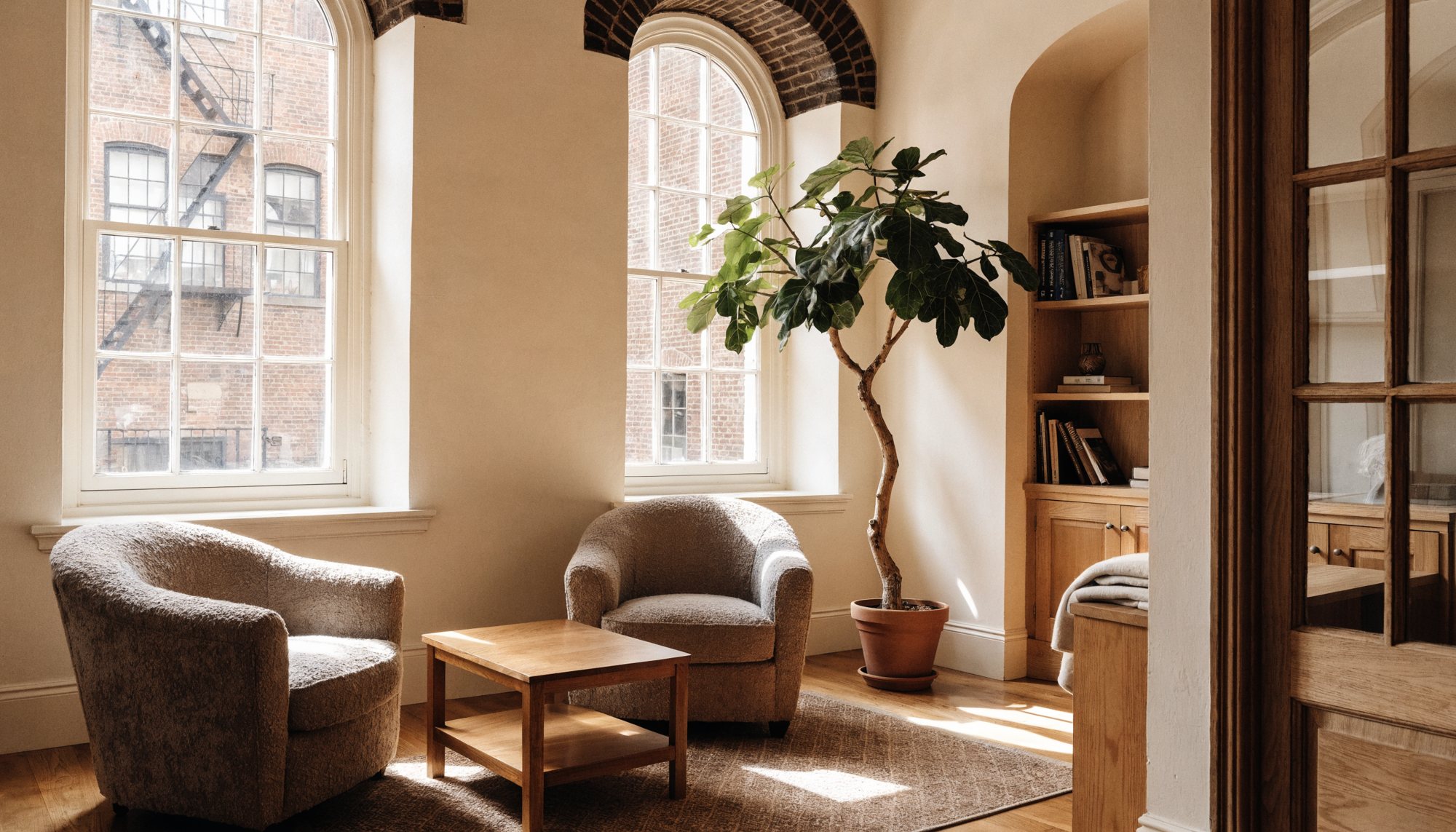
The front room of a small practice in a brick storefront: two upholstered armchairs facing each other across a low wooden table on a woven rug, morning light through tall arched windows, a fig plant and a bookshelf behind.

Two chairs, and nothing between them.

There is no reception counter in the mockup practice, because there is nobody to sit behind one. You are let in at the door by the nurse practitioner, and the hour starts when you sit down rather than when the room is free.

What leaves the room

One page

A single sheet listing every container by name and dose, who prescribed it, and what you said you take it for. Set large enough to read without glasses. It lives in the bag, and it is the thing to hand over at the next hospital admission.

A letter

To each prescriber, naming what is in the cabinet and what you said about it. Most of the value of the hour is in these letters, and none of it is in this room deciding anything on its own.

A telephone number

Answered by the same person, in office hours, for the fortnight afterwards. Questions about the page are free and expected. It is a slow read for most people.

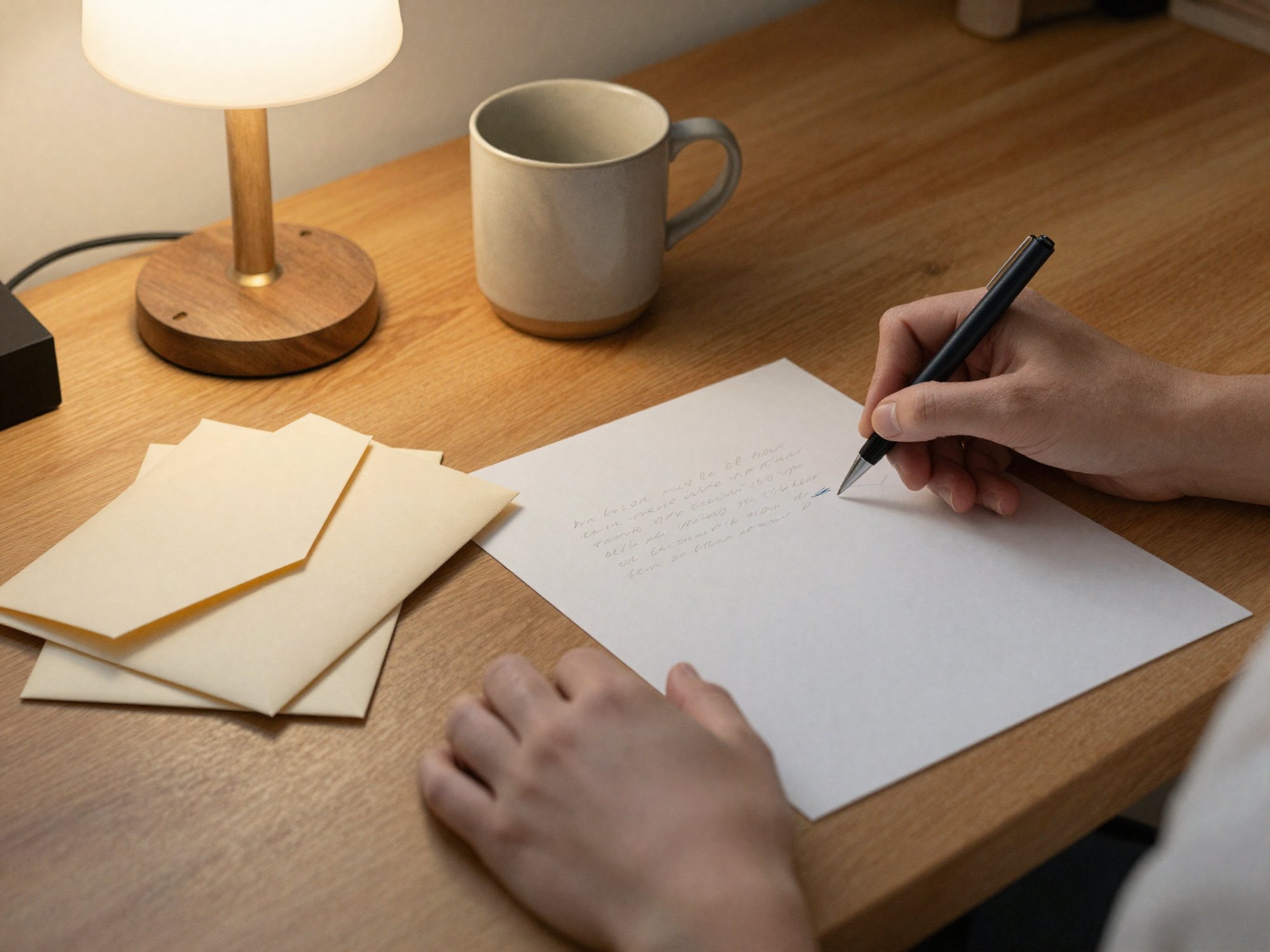
A hand writing on a plain sheet of paper at an oak desk under a small warm lamp, three sealed cream envelopes stacked to the left beside a stoneware mug, the handwriting too faint to read.

Three letters, written the same week.

One to whoever holds each prescription. They are posted rather than portalled, because the reply that matters usually comes back from an office that does not share a system with anybody.

And the ordinary things

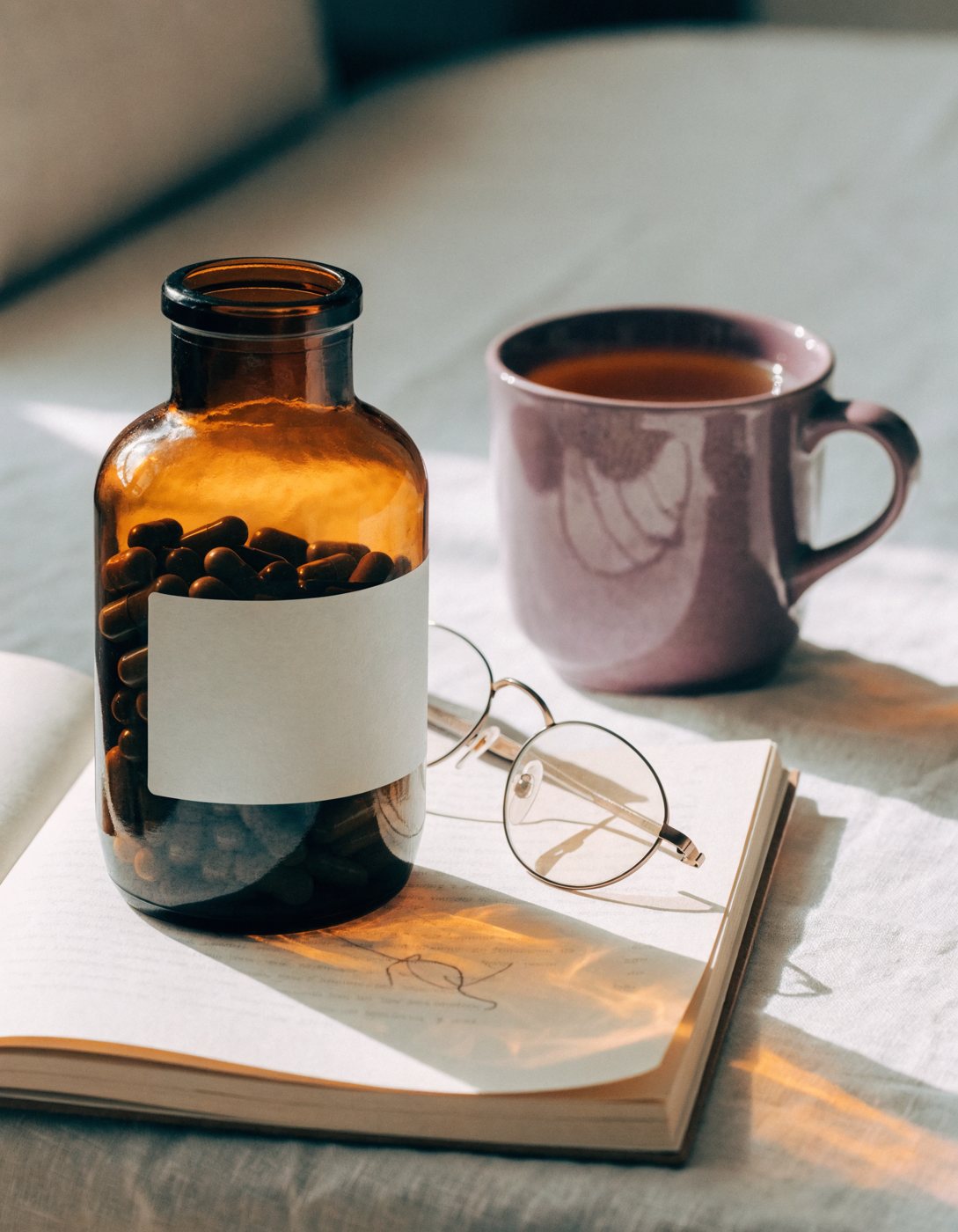
An amber apothecary jar of capsules with a blank white label, standing on an open notebook beside round reading glasses and a plum stoneware mug of tea, low sun raking across a pale linen cloth.
The page goes home in the bag it came in.

The bag hour is the long appointment, and it is not the only one. Between them the practice does what a nurse has always done and what nobody else in a small town has an hour for: a blood pressure taken at your own table at your own time of day, a dressing changed twice a week until it does not need changing, toenails cut for somebody who can no longer reach them, an injection taught to a spouse rather than to a patient, a week of readings written down properly before anyone draws a conclusion from them.

Some of that happens in the room downtown and some of it happens in kitchens, within about twenty-five minutes of the building. Which one it is depends on stairs, not on preference.

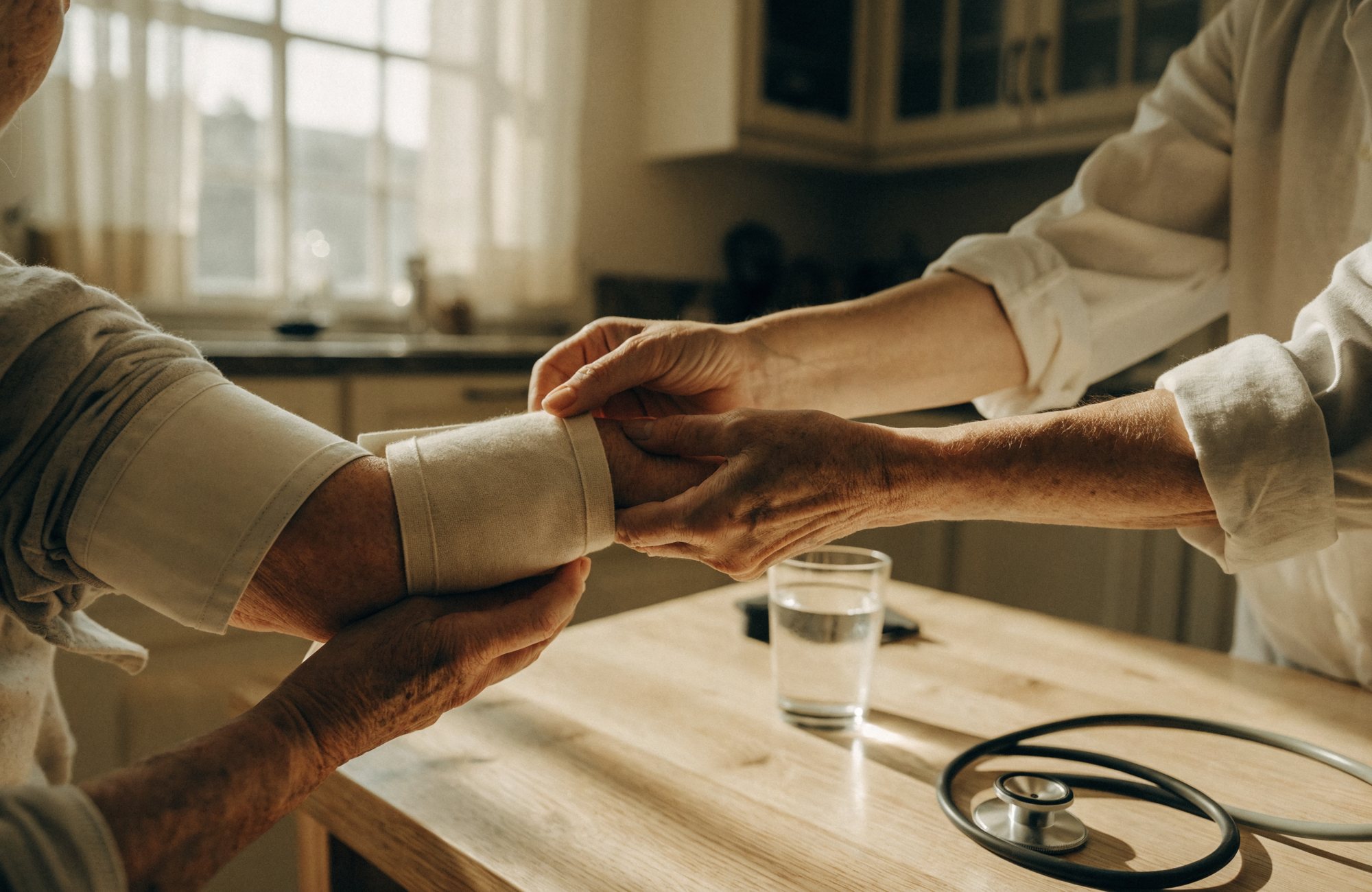
Close view of two pairs of hands at a sunlit kitchen table: a nurse steadying an older person's forearm and smoothing a soft cuff around it, with a stethoscope coiled on the wood beside a glass of water.

Work done at somebody's own table.

The number a clinic gets at four in the afternoon, after a drive and a wait, is a number about the drive and the wait. Seven mornings written down at your own table are worth more to whoever is holding the prescription.

What this practice is not

It is not urgent care and not an emergency service. If something is happening now, that is 911. If you are in a mental health crisis, 988 is answered around the clock, and it is a better number than this one.

It does not dispense, supply, fill or sell anything. Nothing leaves the room except paper.

It does not decide, on its own, what you should stop taking. Somebody prescribed each thing in that bag for a reason, and the work here is getting all of it in front of all of them.

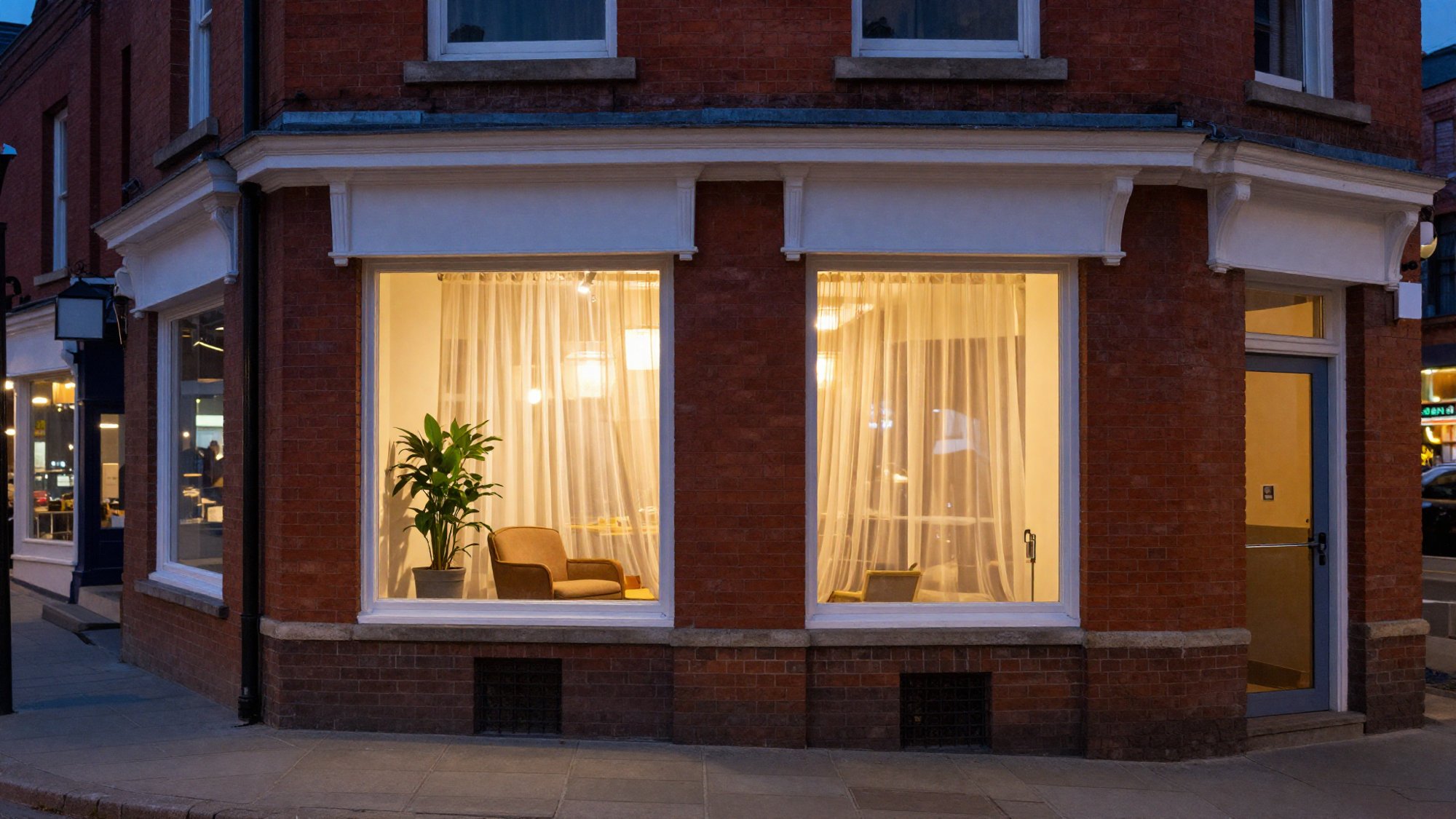
The corner of a red brick building at dusk seen from the pavement, two tall ground floor windows lit warm and gold behind sheer curtains, a leafy plant and a mustard armchair visible inside, other lit shopfronts blurred down the street.

The last appointment usually runs a little long.

Which is the honest disadvantage of an hour-long visit, and the reason the diary holds four of them in a day and not seven.

How to come

The room
123 Main Street, Excelsior Springs, Missouri 64024placeholder address
Telephone
(816) 555-0148placeholder number
Open
Tuesday to Friday, 9 to 4. Home visits Monday.placeholder hours
The bag hour
$150, paid at the visitplaceholder figure, illustration only
Anything shorter
$60placeholder figure, illustration only

Bring the bag. Everything in it, including the things you would rather not mention, and including the ones that are not medicine. If getting to the door is the problem, say so on the telephone.

Call the practice